Innovation & Leadership

Research & Development

Community & Coaching

Case Study Ladies that UX

Building a Career Community - From Meetup to Movement.
Product detail
  • Role

    Co-Founder

    What

    Community Management

    Output

    Workshops, lectures, meet ups, Private group.

    Scale

    4.8K memebrs

Strategic Impact

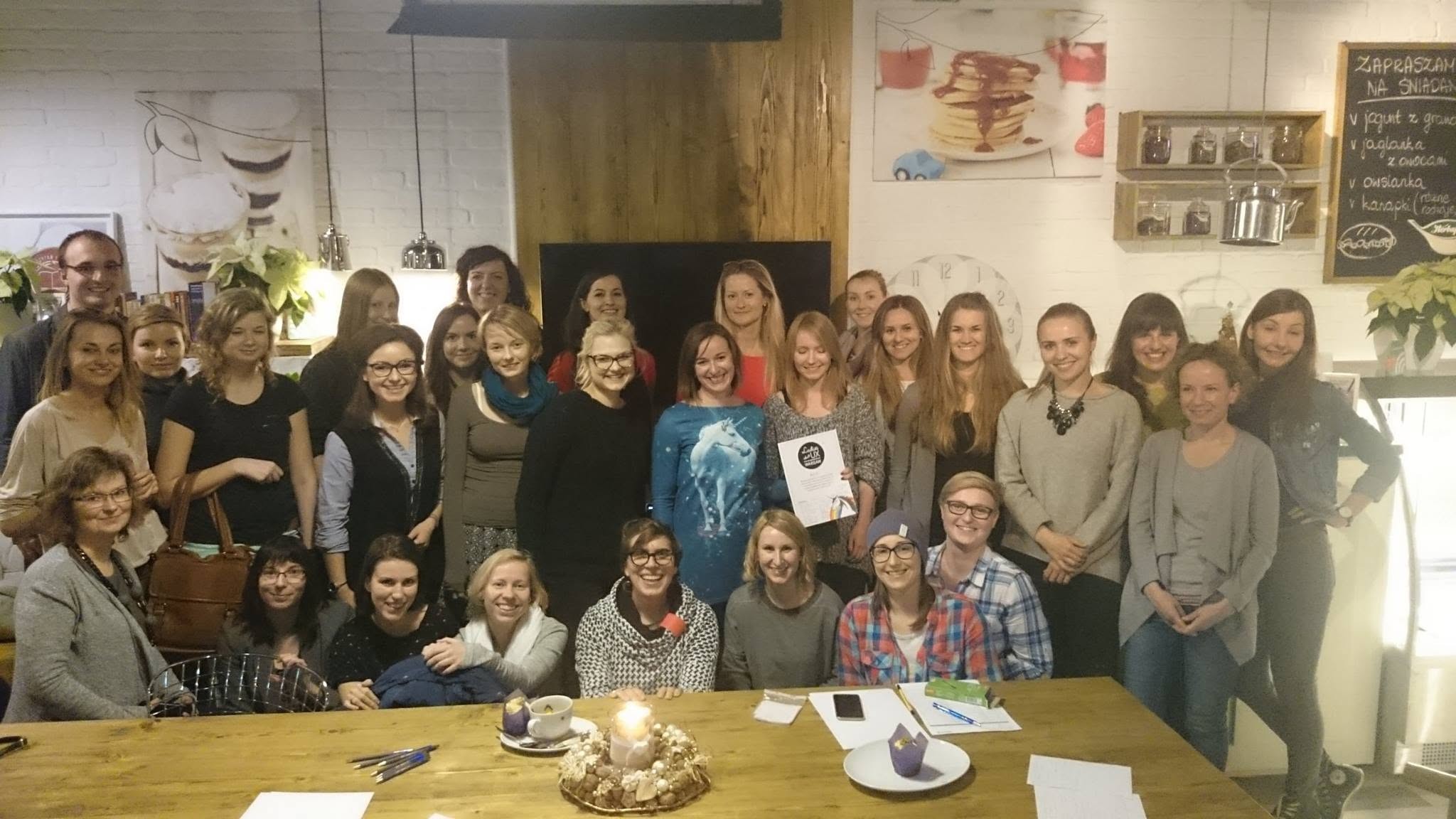
Co-founded Ladies that UX Warsaw in 2016 — a professional community for women in UX, built because the one Warsaw needed didn't exist yet. Grew it to nearly 5,000 members, helping women network, build UX skills, and move into the field from other careers — while simultaneously inspiring designers through Tech Leaders and Engage, and speaking at WUD Trójmiasto, Girls Geek Carrots, and Design Practice.

  • About Ladies that UX

    Warsaw's UX community in 2016 had plenty of general meetups, but nothing built specifically for the women working in the field — no space designed around who was in the room. Co-founding Ladies that UX Warsaw was a direct response: build the community rather than wait for someone else to.

  • Context

    2016 sat inside a broader industry shift. Large organisations across banking, tech, and enterprise were formalising diversity strategies for the first time — actively pushing to bring more women into IT and product roles, not just as a hiring target but as a stated business priority. UX was part of that wave, but the support structures hadn't caught up: plenty of general meetups existed, none built specifically around the women entering or already working in the field. Ladies that UX Warsaw filled that gap directly, at the moment organisations needed it most.

    With Thanks

    Built and grown alongside co-founders Kasia Kubalska, Kasia Słowik, Ania Wysocka, and Joanna Cymkiewicz — the community wouldn't have reached where it did without them.

    What I covered
    • Co-founded and helped run the community from its first event through its most active years
    • Grew membership to nearly 5,000 — organically, through consistent programming rather than paid growth
    • Built a knowledge-sharing hub that pulled in UX practitioners from across sectors — banking, e-commerce, media, agencies — so members learned from real cross-industry practice, not a single company's playbook
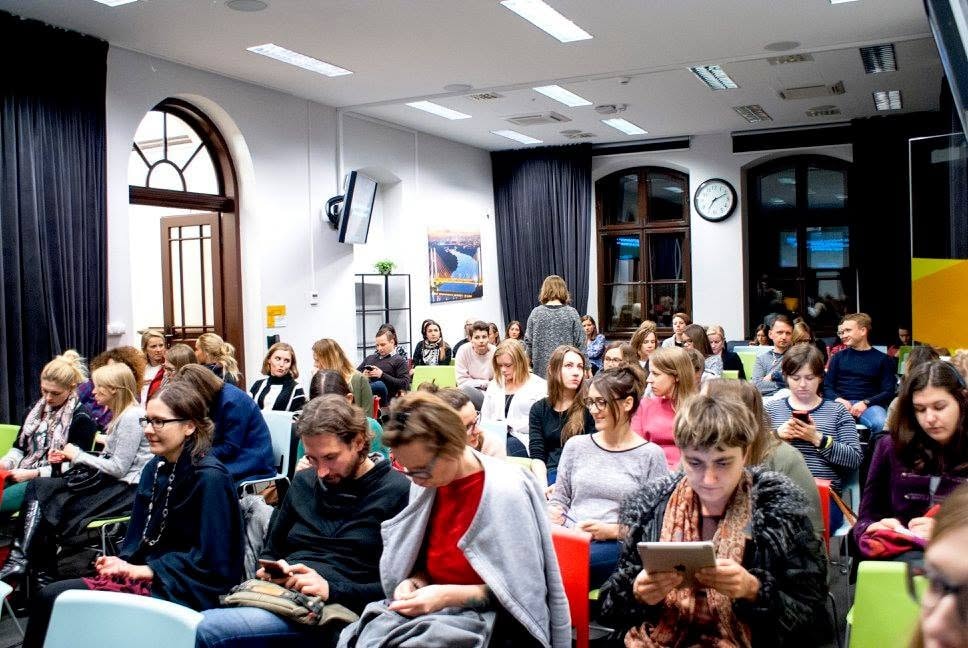
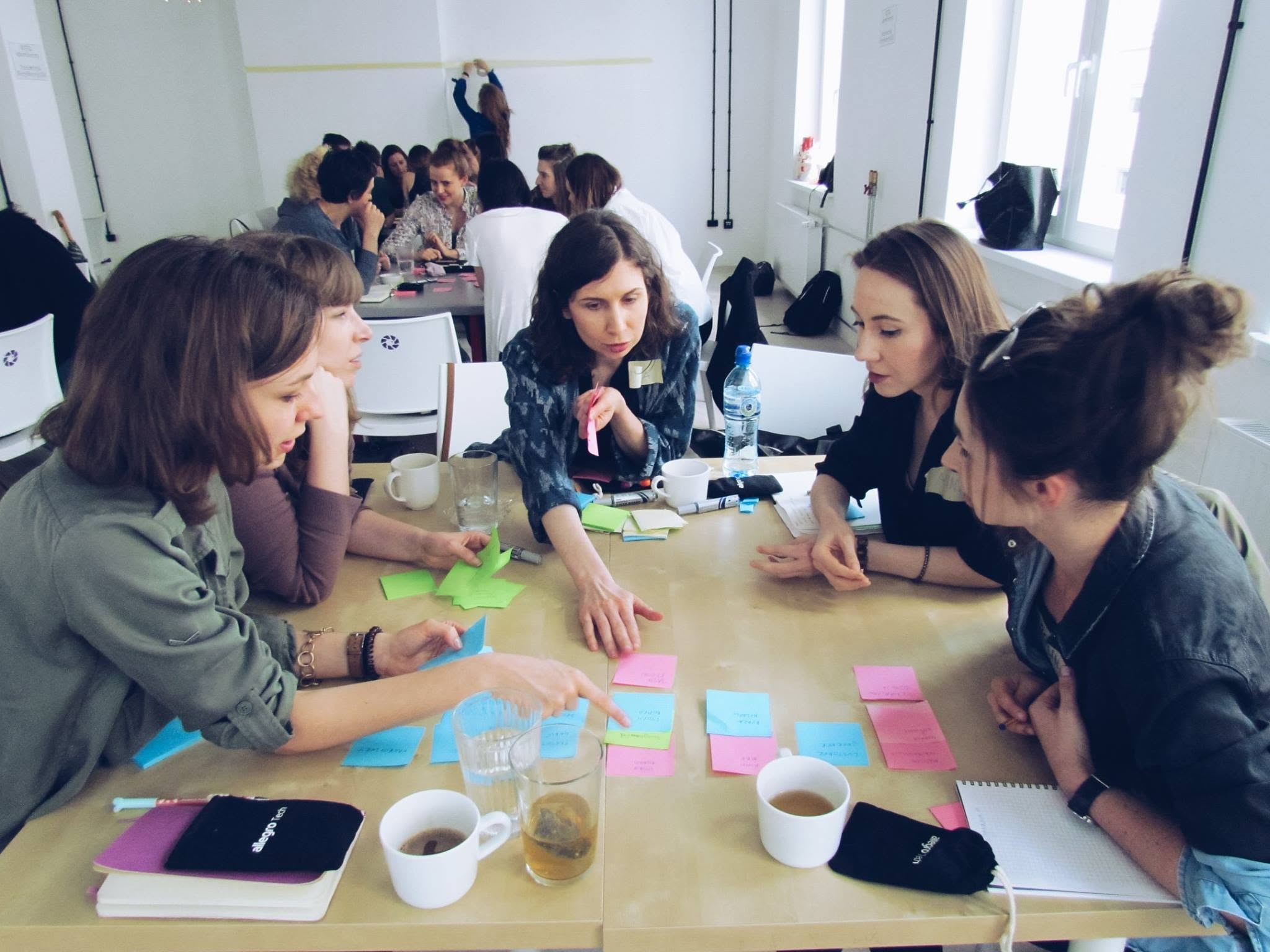
    • Invited practicing UX professionals to facilitate hands-on workshops — giving members real skills, not just theory
    • Curated inspirational talks from practitioners sharing their own career paths and lessons learned — especially valuable for members considering a move into UX
    • Created a space where women could make career transitions into UX — turning interest into an actual occupational move, not just exposure to the field
    • Extended the same practice-leadership approach externally — mentoring through Tech Leaders and Engage, speaking at WUD Trójmiasto, Girls Geek Carrots, and Design Practice events
Conclusion: Takeaways

Community building is practice leadership at scale. This wasn't just visibility or networking for its own sake — members used the community to actually change careers into UX. Creating the conditions for other designers to develop, and for career-changers to find a way in, is the same underlying skill as running an innovation programme: identifying what people need to succeed and building the structure that makes it possible. It's evidence of leadership that doesn't depend on a title or reporting line.

Let's talk about what that could look like at your organisation. Contact me →

Case Study Ladies that UX

Building a Career Community - From Meetup to Movement.

Product detail
  • Role

    Co-Founder

    What

    Community Management

    Output

    Workshops, lectures, meet ups, Private group.

    Scale

    4.8K memebrs

Strategic Impact

Co-founded Ladies that UX Warsaw in 2016 — a professional community for women in UX, built because the one Warsaw needed didn't exist yet. Grew it to nearly 5,000 members, helping women network, build UX skills, and move into the field from other careers — while simultaneously inspiring designers through Tech Leaders and Engage, and speaking at WUD Trójmiasto, Girls Geek Carrots, and Design Practice.

  • About Ladies that UX

    Warsaw's UX community in 2016 had plenty of general meetups, but nothing built specifically for the women working in the field — no space designed around who was in the room. Co-founding Ladies that UX Warsaw was a direct response: build the community rather than wait for someone else to.

  • Context

    2016 sat inside a broader industry shift. Large organisations across banking, tech, and enterprise were formalising diversity strategies for the first time — actively pushing to bring more women into IT and product roles, not just as a hiring target but as a stated business priority. UX was part of that wave, but the support structures hadn't caught up: plenty of general meetups existed, none built specifically around the women entering or already working in the field. Ladies that UX Warsaw filled that gap directly, at the moment organisations needed it most.

    With Thanks

    Built and grown alongside co-founders Kasia Kubalska, Kasia Słowik, Ania Wysocka, and Joanna Cymkiewicz — the community wouldn't have reached where it did without them.

    What I covered
    • Co-founded and helped run the community from its first event through its most active years
    • Grew membership to nearly 5,000 — organically, through consistent programming rather than paid growth
    • Built a knowledge-sharing hub that pulled in UX practitioners from across sectors — banking, e-commerce, media, agencies — so members learned from real cross-industry practice, not a single company's playbook
    • Invited practicing UX professionals to facilitate hands-on workshops — giving members real skills, not just theory
    • Curated inspirational talks from practitioners sharing their own career paths and lessons learned — especially valuable for members considering a move into UX
    • Created a space where women could make career transitions into UX — turning interest into an actual occupational move, not just exposure to the field
    • Extended the same practice-leadership approach externally — mentoring through Tech Leaders and Engage, speaking at WUD Trójmiasto, Girls Geek Carrots, and Design Practice events
Conclusion: Takeaways

Community building is practice leadership at scale. This wasn't just visibility or networking for its own sake — members used the community to actually change careers into UX. Creating the conditions for other designers to develop, and for career-changers to find a way in, is the same underlying skill as running an innovation programme: identifying what people need to succeed and building the structure that makes it possible. It's evidence of leadership that doesn't depend on a title or reporting line.

Let's talk about what that could look like at your organisation. Contact me →

Case Study Ladies that UX

Building a Career Community - From Meetup to Movement.

Product detail
  • Role

    Co-Founder

    What

    Community Management

    Output

    Workshops, lectures, meet ups, Private group.

    Scale

    4.8K memebrs

Strategic Impact

Co-founded Ladies that UX Warsaw in 2016 — a professional community for women in UX, built because the one Warsaw needed didn't exist yet. Grew it to nearly 5,000 members, helping women network, build UX skills, and move into the field from other careers — while simultaneously inspiring designers through Tech Leaders and Engage, and speaking at WUD Trójmiasto, Girls Geek Carrots, and Design Practice.

  • About Ladies that UX

    Warsaw's UX community in 2016 had plenty of general meetups, but nothing built specifically for the women working in the field — no space designed around who was in the room. Co-founding Ladies that UX Warsaw was a direct response: build the community rather than wait for someone else to.

  • Context

    2016 sat inside a broader industry shift. Large organisations across banking, tech, and enterprise were formalising diversity strategies for the first time — actively pushing to bring more women into IT and product roles, not just as a hiring target but as a stated business priority. UX was part of that wave, but the support structures hadn't caught up: plenty of general meetups existed, none built specifically around the women entering or already working in the field. Ladies that UX Warsaw filled that gap directly, at the moment organisations needed it most.

    With Thanks

    Built and grown alongside co-founders Kasia Kubalska, Kasia Słowik, Ania Wysocka, and Joanna Cymkiewicz — the community wouldn't have reached where it did without them.

    What I covered
    • Co-founded and helped run the community from its first event through its most active years
    • Grew membership to nearly 5,000 — organically, through consistent programming rather than paid growth
    • Built a knowledge-sharing hub that pulled in UX practitioners from across sectors — banking, e-commerce, media, agencies — so members learned from real cross-industry practice, not a single company's playbook
    • Invited practicing UX professionals to facilitate hands-on workshops — giving members real skills, not just theory
    • Curated inspirational talks from practitioners sharing their own career paths and lessons learned — especially valuable for members considering a move into UX
    • Created a space where women could make career transitions into UX — turning interest into an actual occupational move, not just exposure to the field
    • Extended the same practice-leadership approach externally — mentoring through Tech Leaders and Engage, speaking at WUD Trójmiasto, Girls Geek Carrots, and Design Practice events
Conclusion: Takeaways

Community building is practice leadership at scale. This wasn't just visibility or networking for its own sake — members used the community to actually change careers into UX. Creating the conditions for other designers to develop, and for career-changers to find a way in, is the same underlying skill as running an innovation programme: identifying what people need to succeed and building the structure that makes it possible. It's evidence of leadership that doesn't depend on a title or reporting line.

Let's talk about what that could look like at your organisation. Contact me →